
What is low level laser therapy (cold laser / photobiomodulation), and how does it work?
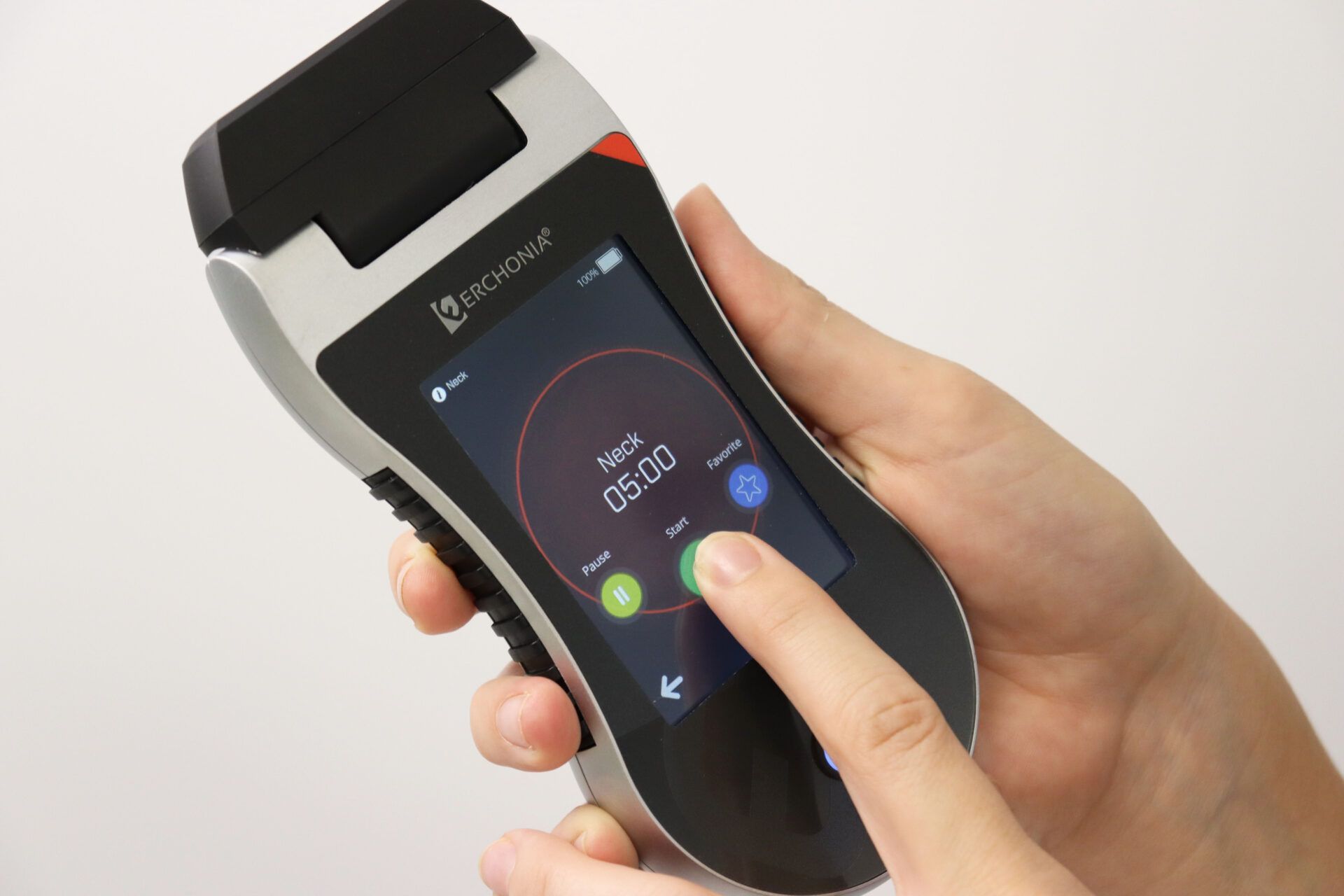
Learn MoreLow-level laser therapy (also called photobiomodulation) uses low-power, non-thermal laser light on the body. It’s designed to stimulate a biological response in cells (it does not cut, burn, or heat tissue like a surgical laser). The Erchonia® GVL uses green (520 nm) and violet (405 nm) light. The intended mechanism is stimulation of cellular activity—often described as supporting mitochondrial function and increasing ATP (cell energy).
Is the Erchonia GVL FDA-cleared—and what is it cleared to help with?
Yes. The Erchonia® GVL has FDA 510(k) clearance (K221987). Its cleared indications include:
- Adjunctive use for temporary relief of minor chronic neck and shoulder pain of musculoskeletal origin (when green + violet are used together).
- Treatment of moderate inflammatory acne vulgaris (when using the violet diode).
Does cold laser therapy hurt? What does a session feel like?
Most people feel little to nothing during treatment. It’s a non-thermal laser application and is typically described as comfortable. Patients wear protective eyewear during use. For the cleared neck/shoulder pain protocol, the FDA summary describes a single 13‑minute active procedure in the clinical study.
Is low level laser therapy safe? Are there side effects—and who should avoid it?
In the FDA-cleared neck/shoulder pain study for the GVL, no adverse events were reported.
Key safety points:
- Eye protection matters (laser exposure to eyes should be avoided).
- Erchonia guidance states they do not recommend use on pregnant women, people with pacemakers, photosensitive epilepsy, or over an area of known cancer.
- Clinical safety guidance in laser therapy commonly flags caution around areas like malignancy margins and the thyroid.
How many sessions will I need, and how soon should I notice results?
It depends on the condition, how long it’s been present, and your goals. For the device’s FDA-cleared minor chronic neck/shoulder pain indication, the FDA summary describes a clinical study where participants received one 13‑minute active procedure and were evaluated for change in pain.
How much does low level laser therapy cost—and is it covered by insurance/Medicare or HSA/FSA?
Coverage varies by plan, but many insurers limit coverage for LLLT. For example, a Blue Cross policy shows coverage for LLLT mainly for prevention of oral mucositis in certain cancer-treatment situations, and states it is not covered / not medically necessary for many other indications (including neck pain).
For Medicare specifically: Original Medicare covers chiropractic manual manipulation of the spine and states it doesn’t cover other services or tests a chiropractor orders (examples listed include X-rays, massage, and acupuncture). Patients should expect many add-on therapies to be out-of-pocket unless another plan covers them.
“We’ll help you verify benefits, but many plans consider laser therapy a self-pay service.”- Living Well Chiropractic Clinic